





Which three-row SUV makes car seats and cargo easier near New Braunfels, TX — 2026 Volkswagen Atlas or 2026 Honda Pilot?
Ancira Volkswagen of San Antonio – Which three-row SUV makes car seats and cargo easier near New Braunfels, TX — 2026 Volkswagen Atlas or 2026 Honda Pilot?
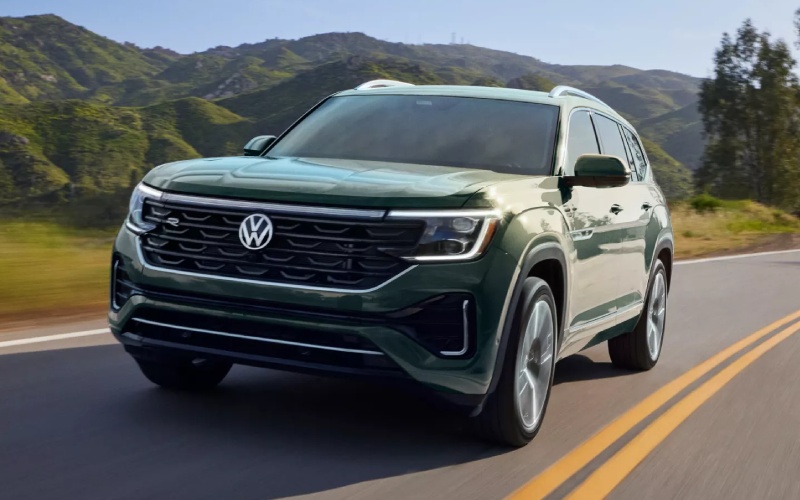
Parents comparing the 2026 Volkswagen Atlas and the 2026 Honda Pilot often ask a practical question: which three-row makes it easier to handle car seats and cargo without gymnastics? If your daily drives include school drop-offs, weekend gear, and the occasional Costco run, ease of use matters as much as specs. Below, we break down how each SUV approaches third-row access, car-seat friendliness, and cargo flexibility—so families around New Braunfels can quickly see which features make life simpler.
Let’s start with the fundamentals. Both SUVs seat up to seven or eight depending on configuration, and both offer generous cargo space. The Atlas provides up to 96.6 cubic feet with rear seats folded, and the Pilot advertises an expansive cargo area when fully opened up. Where the Atlas begins to pull ahead for families is the day-to-day flow: wide door openings, straightforward controls, large cubbies for kid essentials, and confidence-inspiring visibility. Add wireless charging, Wireless App-Connect®, and an available Wi-Fi Hotspot, and you’ll spend less time managing devices and more time focusing on the road.
Car-seat setup and third-row access
The mechanics of installing car seats can turn an otherwise smooth SUV into a headache. Both models provide LATCH anchors and upper tether points, with second-row captain’s chairs or bench options depending on trim. Families consistently praise the Atlas for its wide-opening second-row doors and generous entry path to the third row—attributes that make buckling children faster and reduce contortion when you need to reach the back. On the Pilot, the one-touch second-row seat movement is a handy feature, and certain trims include a stowable center seat for quick reconfiguration. However, many shoppers find the Atlas’ combination of door geometry, seat travel, and floor height yields a simpler routine for multiple car seats or when adults need to slide into the third row for a carpool.
Visibility and reach also factor into daily convenience. The Atlas’ large windows and helpful camera views on select trims support confident maneuvers in tight lots; the Pilot answers with an available Multiview Camera System on upper trims. Both SUVs make loading kids workable, but the Atlas’ approach tends to minimize the twists and turns that wear on your back over time, particularly if you regularly shuffle seats or handle rear-facing bases.
Everyday cargo usability
Once the seats are squared away, the next test is cargo. Both SUVs tackle family life with low lift-in heights and broad openings. The Atlas streamlines loading with an available hands-free power liftgate—approach with your key fob, make a small kick under the bumper, and the door opens. Inside, the Atlas’ cargo floor and seat-folding mechanism make quick work of stroller frames, sports bags, and bulk items. Tie-down points help secure awkward loads, and seat-back release operations are intuitive so you can expand space on the fly. The Pilot’s cargo area is capacious, with a hidden storage compartment that comes in handy for valuables or emergency gear. It’s a strong layout overall, but if you prize quick, repeatable reconfigurations without hunting for handles or switches, the Atlas’ simplicity is a real advantage.
On busy days around New Braunfels, small touches add up—like a wide, flat space for diaper bags that won’t tip, or an easy-to-wipe cargo floor after a sandy afternoon near the river. The Atlas’ interior surfaces and latch points make cleanup and organization feel straightforward, and the available panoramic sunroof keeps the cabin bright and inviting for long drives.
Ride comfort, tech, and the kid factor
Even with the right seating and cargo setup, the drive itself must be calm. The Atlas rides with a quiet assurance that keeps chatter and naps undisturbed. Volkswagen’s turbocharged 2.0 TSI® engine delivers smooth, low-end torque for steady takeoffs, which helps when your SUV is fully packed. The Honda Pilot’s V-6 is steady and capable, yet some families prefer the Atlas’ effortless midrange pull for merging and passing with a full crew on board. Both vehicles offer tri-zone climate control, which is a must with kids. On the infotainment front, the Atlas centers everyday tasks on a large 12-inch touchscreen—clear menus, smooth responsiveness, and Wireless App-Connect® that avoids cord clutter. The Pilot counters with Google built-in on upper trims, along with wireless Apple CarPlay® and Android Auto™. Both options keep you connected; the Atlas’ interface and display layout often feel more immediately intuitive to first-time users.
Quiet tech can also deliver serious value. The Atlas’ IQ.DRIVE® suite includes available Travel Assist, which provides hands-on, semi-automated capability within system limits—particularly helpful on longer I-35 stretches when family conversations are in full swing. The Pilot’s Honda Sensing® suite offers robust support too, including Adaptive Cruise Control with Low-Speed Follow and Lane Keeping Assist. Both require your full attention, but the way the Atlas integrates prompts and steering support feels especially natural to many drivers.
How to test both SUVs the right way
Before you decide, structure your test drives like your week. Install at least one car seat in each vehicle, practice accessing the third row, and run a real loading scenario with a stroller or sports gear. Then, drive your typical routes, including a few highway merges and a tight parking scenario. As you go, ask the kids about seat comfort and window views; small details can shift a decision.
- Car seats and access: Time your install, check anchor accessibility, and have an adult climb into the third row.
- Cargo routine: Fold rows quickly, load a stroller and cooler, and evaluate the lift-in height and tie-down usability.
- Tech and calm: Pair your phone wirelessly, set navigation, and try adaptive cruise on a longer stretch to gauge driver-assistance feel.
As you compare, keep a running list of moments that feel easy versus moments that feel like work. The right three-row should disappear into your routine—not add steps.
Frequently Asked Questions:
Does the Atlas offer enough room for adults in the third row?
Yes. The Atlas provides adult-friendly dimensions in all three rows, and wide door openings make entry and exit straightforward. It’s a strong fit when you regularly seat older kids, teens, or adults in the back.
Is the Pilot’s cargo area bigger than the Atlas?
The Pilot publishes a notably large maximum cargo figure, while the Atlas delivers up to 96.6 cubic feet. In day-to-day use, many shoppers find the Atlas’ low load floor, square opening, and simple seat-folding mechanisms make loading faster and more repeatable.
Which infotainment system is simpler for families?
Both are capable. Many drivers favor the Atlas’ 12-inch display, Wireless App-Connect®, and straightforward menu structure. The Pilot’s Google built-in and wireless smartphone integration work well too, especially on upper trims.
How do driver-assistance features compare?
Both SUVs include robust suites. The Atlas offers IQ.DRIVE® with available Travel Assist for hands-on, semi-automated capability within system limits. The Pilot’s Honda Sensing® includes adaptive cruise, lane keeping, and more. Shoppers often prefer the Atlas’ natural, confident feel on longer drives.
Ready to see how the right three-row can simplify every day? Ancira Volkswagen of San Antonio is serving Alamo Heights, New Braunfels, and Seguin with tailored test-drive routes and side-by-side demos so you can evaluate car seats, cargo routines, and infotainment setup with confidence. Bring your gear—we’ll help you compare the details that matter most to your family.
0 comment(s) so far on Which three-row SUV makes car seats and cargo easier near New Braunfels, TX — 2026 Volkswagen Atlas or 2026 Honda Pilot?